The first core course, Business and Industrial Economics, focused on learning analytical approaches to understand the role of markets, their functioning, and their outcomes.
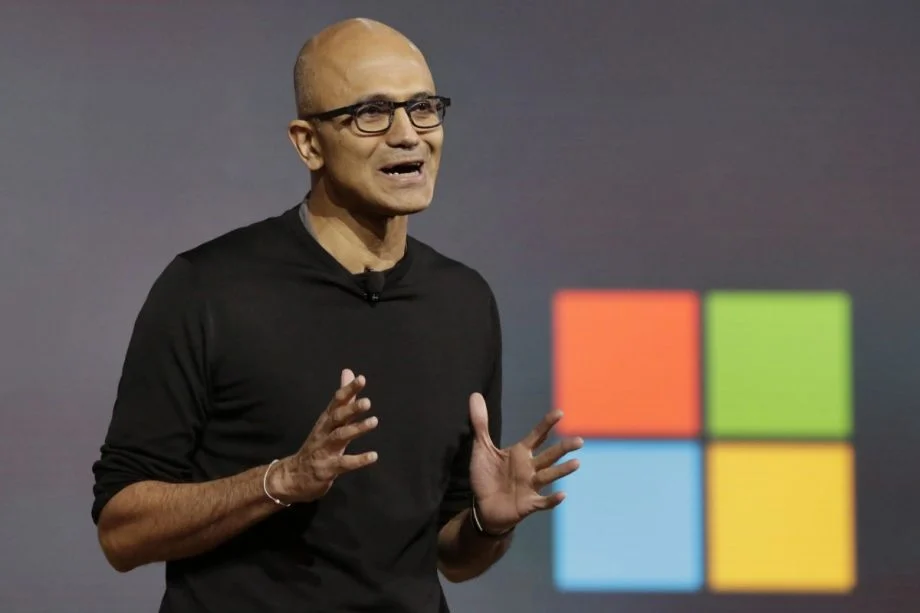
In my Executive MBA journey, some of my most memorable insights came from conversations with classmates, where we unpacked case studies, debated strategic moves, and reflected on how these lessons apply to our own industries. One discussion, in late 2023, centred on Microsoft's strategic decisions in the 1990s and early 2000s — decisions that shaped the company's market dominance — and continued into Satya Nadella's moves from 2014 to today. It got me thinking about parallels in my own field of Digital Engineering in the AEC industry, especially around barriers to entry, opening standards, and creating value for a broad audience.
Strategic barriers: making it harder for competitors
Microsoft's decision to package Internet Explorer with Windows was a successful strategic barrier that discouraged other firms from entering the market. Competitors were forced to build significantly more powerful browsers to win users away from the IE installed by default — which is exactly what happened with Mozilla 1.0 in 2002, built from the Netscape source code released in 1998. From a Digital Engineering perspective, this reminds me of how certain infrastructure or design standards can establish de facto "barriers" in project delivery.
Opening standards to competitors: the power of collaboration
In 2001, Microsoft agreed with the Department of Justice to make its software more compatible with competitors — turning a legal setback into a win-win. Opening Windows standards let competitors' software integrate closely with the OS, reaching a cooperative Nash Equilibrium that avoided a standards war and benefited every player while helping Microsoft retain leadership.
Reducing switching costs and enhancing social welfare
Microsoft's accessibility-focused approach helped democratise software and hardware for a wide audience, reducing switching costs and creating immense social value. In our field, reducing switching costs translates to making design processes simpler, faster, and more accessible to a variety of stakeholders.
Satya Nadella's vision: embracing a platform-agnostic future
We also discussed Nadella's transformative vision, shifting Microsoft's focus to software and cloud-based, platform-agnostic solutions under the mission to "empower every person and every organization on the planet to achieve more." Despite two decades of new device categories, Microsoft has kept growing precisely because it made its ecosystem highly compatible, reducing switching costs and improving welfare across the board.
Satya Nadella's leadership style: empathy and growth mindset
We concluded by discussing the leadership style that brought Microsoft back from a downturn, built on four pillars from Nadella's book "Hit Refresh":
- Growth Mindset — a "learn-it-all" culture over a "know-it-all" approach, fostering adaptability at every level
- Culture — spreading innovation, resilience, and fearlessness across 200,000+ employees, embracing failure as part of learning
- Empathy — leaders connecting with their teams, understanding challenges, and building a trusting environment
- Inclusivity — moving from a purely competitive mindset to a collaborative culture that values partnerships and the broader ecosystem
Conclusions
We are witnessing a transformation comparable to the dot-com era: GenAI will disrupt every industry, and it remains to be seen who will be the "chameleon" and who will be the "dinosaur."
What Microsoft is doing under Nadella is remarkable: backing multiple start-ups and VCs to keep "their feet in any place" and minimise the risk of being left out — from Copilot to the Azure AI platform to the Microsoft for Startups Hub. In a major transformation like this, where the uncertainty about who will win is high, a strategy of multiple investments is crucial to build competitive advantage and internal know-how simultaneously.
Looking back on these conversations, the lessons we discussed — strategic barriers, cooperation, accessibility, and adaptability — are not only relevant to Microsoft but hold valuable insight for our work in Digital Engineering for AEC. My EMBA journey continues to inspire me to think about strategic decisions and leadership behaviours that position our teams and clients for success in a fast-changing world.