The second core course, Macroeconomics, focused on critically interpreting the economic context and applying the principles of economics to the decision-making of companies within the macroeconomic environment in which they operate.
This article introduces the main factors that drive GDP growth and how governments and central banks control inflation by balancing expansionary and contractionary fiscal and monetary policy, before exploring the energy-transition investments made by leading economies — Europe, the US, China — and finally the Civil Infrastructure industry's potential to influence macroeconomic factors, drive expansionary fiscal policy, contribute to GDP growth, and shape corporate strategy.
Long-run vs. short-run GDP growth
In the long run, GDP growth is driven by technological progress and the accumulation of physical and human capital — a trade-off between immediate consumption and long-term investment that is inherently political. Financial markets bridge this trade-off: governments raise funds by issuing bonds, essentially a form of "crowdfunding" for national projects. Population growth can also influence GDP, but GDP per capita is the better measure of productivity, since it reflects a nation's efficiency regardless of size.
In the short run, Keynesian models drive expansionary or contractionary policy to address economic imbalances — mitigating recessions or curbing excessive growth and inflation.
The current macroeconomic situation
A 2023 study on firm inflation expectations found labour to be a critical driver of pricing, with rising wages feeding into higher costs and the IMF warning of a wage-price spiral. Energy played a dual role: the climate crisis and geopolitical tensions like the Ukraine–Russia war heightened Europe's vulnerability to soaring energy costs, while progress on emissions reduction under the Kyoto Protocol and Paris Agreement remained limited — underscoring the urgency of the transition to renewables.
Policy challenges in an unprecedented context
Keynesian theory suggests inflation rises when unemployment is low and consumer spending is high, calling for contractionary monetary policy — which is what happened after Covid-19. But Europe's inflation, surpassing 10% in 2022, was largely driven by exogenous shocks: the energy crisis and the war. Relying solely on contractionary monetary policy in that context risks curbing production and dampening private consumption and investment.
A balanced policy approach
Addressing inflation today requires a combination of monetary and fiscal policy. Fiscal policy must address structural issues — particularly energy production — since investment in renewable technology reduces fossil-fuel dependency and stabilises prices. Europe and Australia both illustrate the cost of monetary tightening without synchronised fiscal support: higher interest rates curb inflation but also reduce disposable income, private investment, and ultimately GDP growth.
The private sector is growing "very slowly" in Australia at the moment, with consumption per capita declining, and government spending is actually providing crucial support. If it wasn't there, if it wasn't filling that gap, then things might well be much worse in terms of the employment market. — Michele Bullock, Governor, Reserve Bank of Australia
Australia's slow inflation reduction is partly attributable to persistent pressure in sectors like real estate and food, compounded by a lack of oversight that has allowed unethical margin hikes by major grocery chains to exacerbate inflation — forcing more aggressive monetary policy and contributing to the slowest economic expansion in decades.
The role of civil infrastructure in macroeconomic scenarios
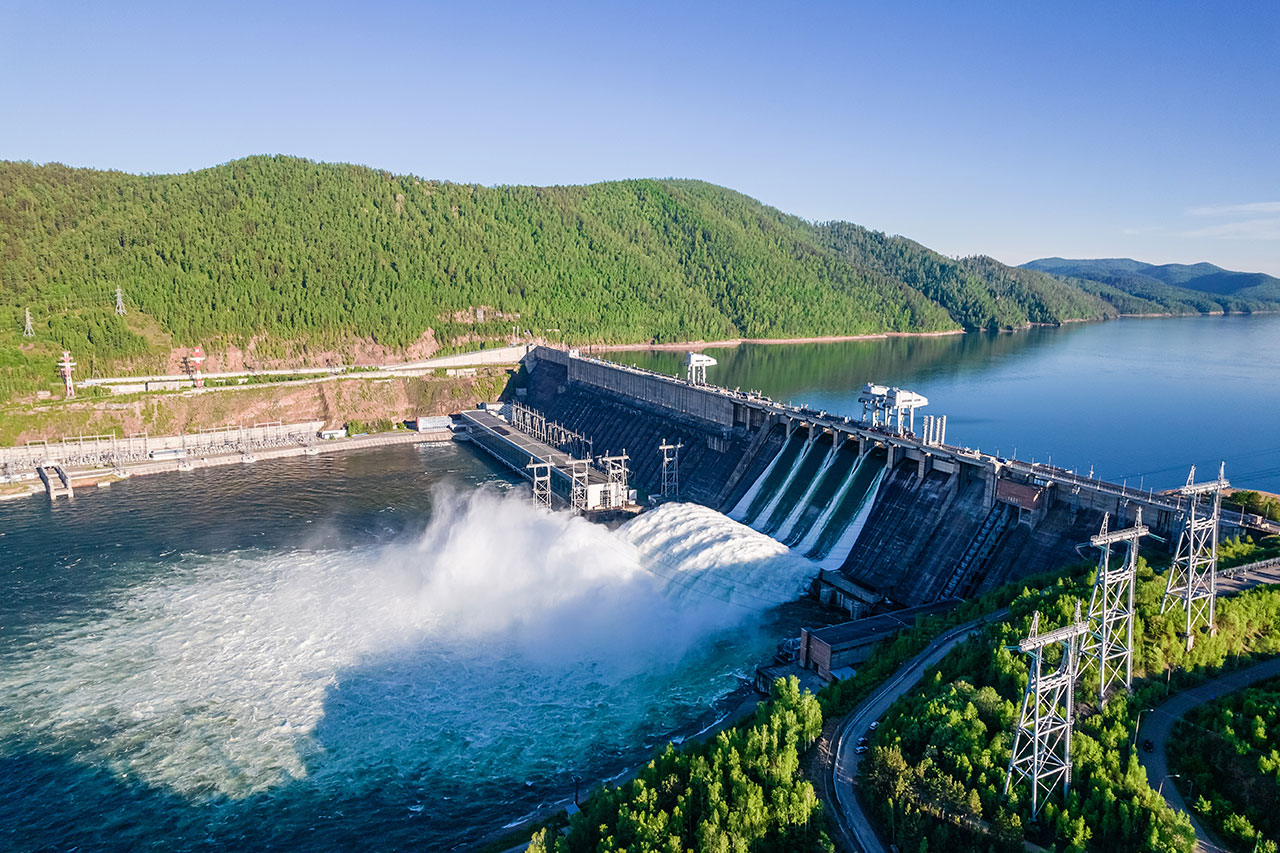
Highways, bridges, railways, and transit systems form the backbone of modern economies. Government investment in infrastructure injects money that circulates through the economy via a multiplier effect, boosting aggregate demand while also improving societal efficiency — better transport infrastructure reduces travel times and optimises supply chains, while a renewable power plant serving a whole town lowers emissions and meets energy demand sustainably. As governments worldwide allocate substantial resources to the energy transition, the Civil Infrastructure industry stands at a pivotal moment.
| Region | Investment | Key focus |
|---|---|---|
| China | $675bn (2024); $14–17 trillion needed to 2060 | Solar, EVs and batteries; 200+ utility-scale clean energy bases in western desert regions; targeting ~3.9 TW of renewables capacity by 2030 |
| United States | $248bn (2022) → $315bn (2024); $27 trillion needed through 2050 | 100% carbon-free electricity by 2035, net-zero economy-wide by 2050; a secure domestic clean-energy supply chain and emissions regulation |
| Europe | €396bn/yr (2021–2030), rising to €520–575bn/yr to 2050 | European Green Deal: −55% net greenhouse gases by 2030, climate neutrality by 2050; REPowerEU adds ~€300bn (2022–2030) |
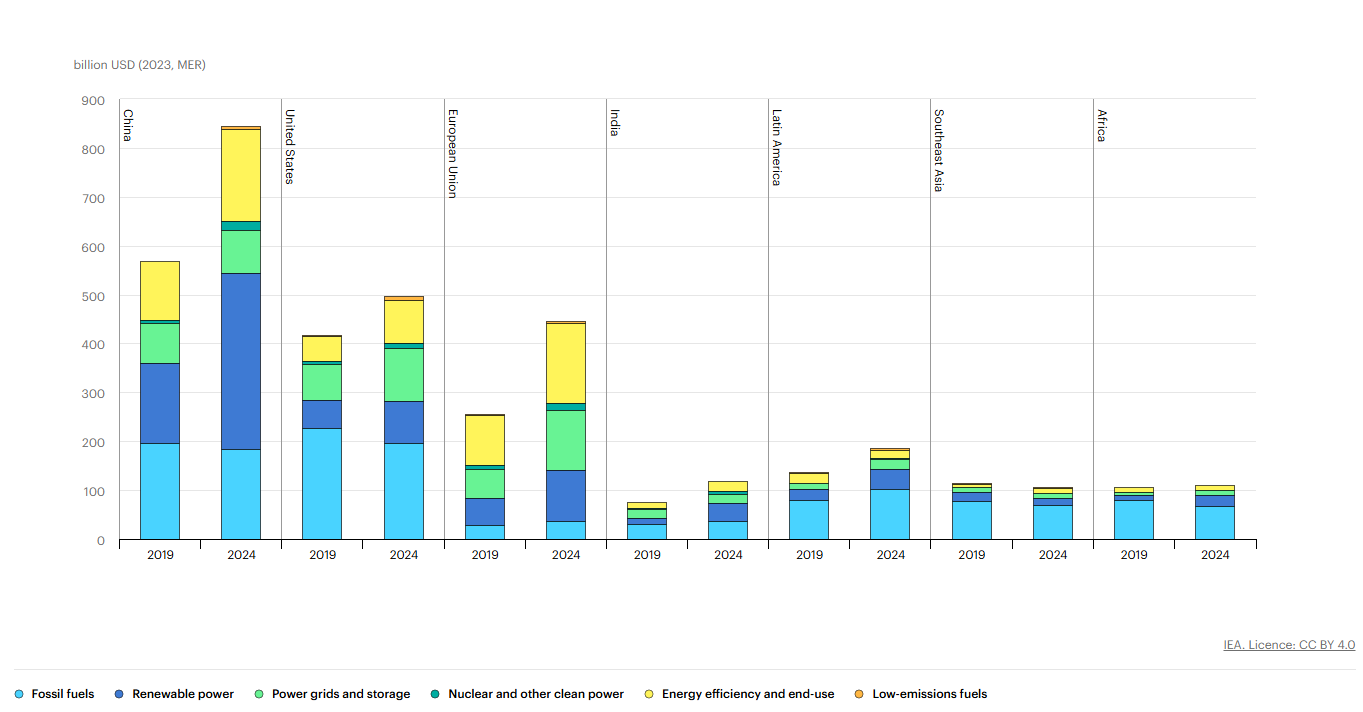
To capitalise on this opportunity, companies in Civil Infrastructure must strengthen their capabilities in sustainable infrastructure and renewable energy, aligning with future trends to contribute to the public expenditure that sustains GDP growth while positioning themselves for long-term success.
Now, based on the article: if you were the CEO of a company in the Civil Infrastructure industry, where would you look, and which strategy would you put in place for the next 10 years? My EMBA journey continues to inspire me to think about strategic decisions and leadership behaviours that position our teams and clients for success in a fast-changing world.